Durability Showdown Wooden vs Plastic Highchairs 2026
As parents evaluate options for highchairs in 2026, the choice between wooden and plastic models takes center stage. This decision often hinges on durability, safety, and practicality. With so many products available, understanding the distinctions can lead to a more informed purchase, ensuring that the highchair chosen withstands the challenges of daily use. This article delves into the durability aspects of both wooden and plastic highchairs, examining materials, construction quality, and long-term value.
Material Composition and Longevity
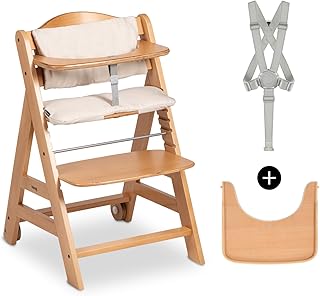
When comparing wooden and plastic highchairs, the material composition plays a crucial role in their longevity. Wooden highchairs often boast solid wood construction, which provides a robust and timeless feel. This quality can lead to longer lifespans, especially if the wood is treated properly. In 2026, many manufacturers have adopted sustainable practices, utilizing hardwoods that resist wear and tear while offering safety and stability. For instance, a well-crafted wooden highchair can last through multiple children, making it a worthwhile investment for families.
On the other hand, plastic highchairs are typically made from high-density polyethylene, which is known for its resilience against spills and scratches. These models are often lighter and easier to maneuver, appealing to parents who need flexibility in their kitchen or dining area. However, the trade-off might be in the long-term durability. In 2026, advancements in plastic technology have improved durability, yet they may still not match the longevity of a high-quality wooden highchair. Parents should consider how frequently they will use the highchair and the potential for wear and tear.
Construction Quality
The construction quality of a highchair significantly impacts its durability. Wooden highchairs are often constructed with mortise and tenon joints, which provide exceptional strength and stability. This type of joinery prevents wobbling and ensures that the highchair can handle the movements of an active child. For 2026, many brands have refined their techniques to enhance this aspect, ensuring that their wooden highchairs maintain structural integrity over time.
People Also Look For:
- 2-in-1 Baby Highchair and Low Chair by Babyway
- AirSwim Inflatable Baby Seat, Inflatable Baby Chair for Babies 3-36 Months, Portable Blow Up Chair with Built in Air Pump, Sit Me ...
- LN COZY CORNER Adjustable 3-in-1 Baby Highchair – Convertible High Chair, Booster Seat, and Toddler Chair for Versatile Fee...
- Lola High Chair, Adjustable Folding Baby Chair with Multiple Height and Seat Positions, Removable Tray, 5 Point Harness and Toy Ba...
- Kinderkraft Highchair YUMMY, Baby Chair, Ergonomic, Comfortable, Reclining, Foldable, with Ajustable Height, Footrest, Detachable ...
Conversely, plastic highchairs usually rely on molded designs that may include snap-fit components. While this can facilitate assembly and disassembly, it may pose concerns regarding long-term stability. In 2026, some manufacturers have begun to incorporate reinforced structures in their plastic models, improving their overall strength. However, parents must evaluate whether these enhancements sufficiently address durability concerns.
Ease of Cleaning and Maintenance
Cleaning and maintenance are pivotal factors when selecting a highchair. In 2026, parents prioritize ease of cleaning due to the frequent messes associated with feeding young children. Plastic highchairs excel in this category, as they can be easily wiped down and are often dishwasher safe. Parents appreciate the convenience of a highchair that can be quickly sanitized after each meal.
Wooden highchairs, while durable, may require more meticulous care. They often come with varnished or painted surfaces that can wear off over time if not maintained properly. To ensure longevity, parents should follow specific cleaning guidelines, such as avoiding harsh chemicals that can damage the finish. In 2026, some brands have introduced wooden highchairs with water-resistant coatings, making them easier to clean while maintaining their aesthetic appeal.
Safety Considerations
Safety remains a top concern when choosing highchairs. In 2026, both wooden and plastic highchairs must adhere to stringent safety regulations. Wooden highchairs are often designed with stability in mind, minimizing the risk of tipping. Many models include safety straps and harnesses that secure the child safely during mealtime. This focus on safety is crucial as it reassures parents about their child’s well-being while using the highchair.
Plastic highchairs also come equipped with safety features, but the design may vary significantly between brands. In 2026, parents should look for models that provide a sturdy base and a secure harness system. Some newer plastic models incorporate innovative safety features, such as non-slip feet that enhance stability. Evaluating these details can help parents select a highchair that meets their safety needs.
Cost and Investment Value
Cost is another essential factor when comparing wooden and plastic highchairs. In 2026, wooden highchairs typically come at a higher price point due to their materials and construction quality. However, parents should consider this as an investment. A durable wooden highchair can be passed down through generations, providing value over time. Brands that focus on craftsmanship often offer warranties that reflect their confidence in the product's durability.
On the flip side, plastic highchairs usually present a more budget-friendly option. While they may not offer the same longevity as wooden highchairs, they serve as a practical choice for parents who prioritize affordability. In 2026, many affordable plastic models also come with attractive features and decent durability. Parents should weigh the initial cost against potential long-term use when making their selection.
- Evaluate your family's needs
- Consider the longevity of the product
- Factor in cleaning and maintenance
- Assess safety features
In 2026, understanding these aspects can guide parents in making a choice that aligns with their lifestyle and preferences. As the market evolves, so do the options available, making it crucial to stay informed about the latest developments in highchair design and functionality.